


 English
 May 05, 2024
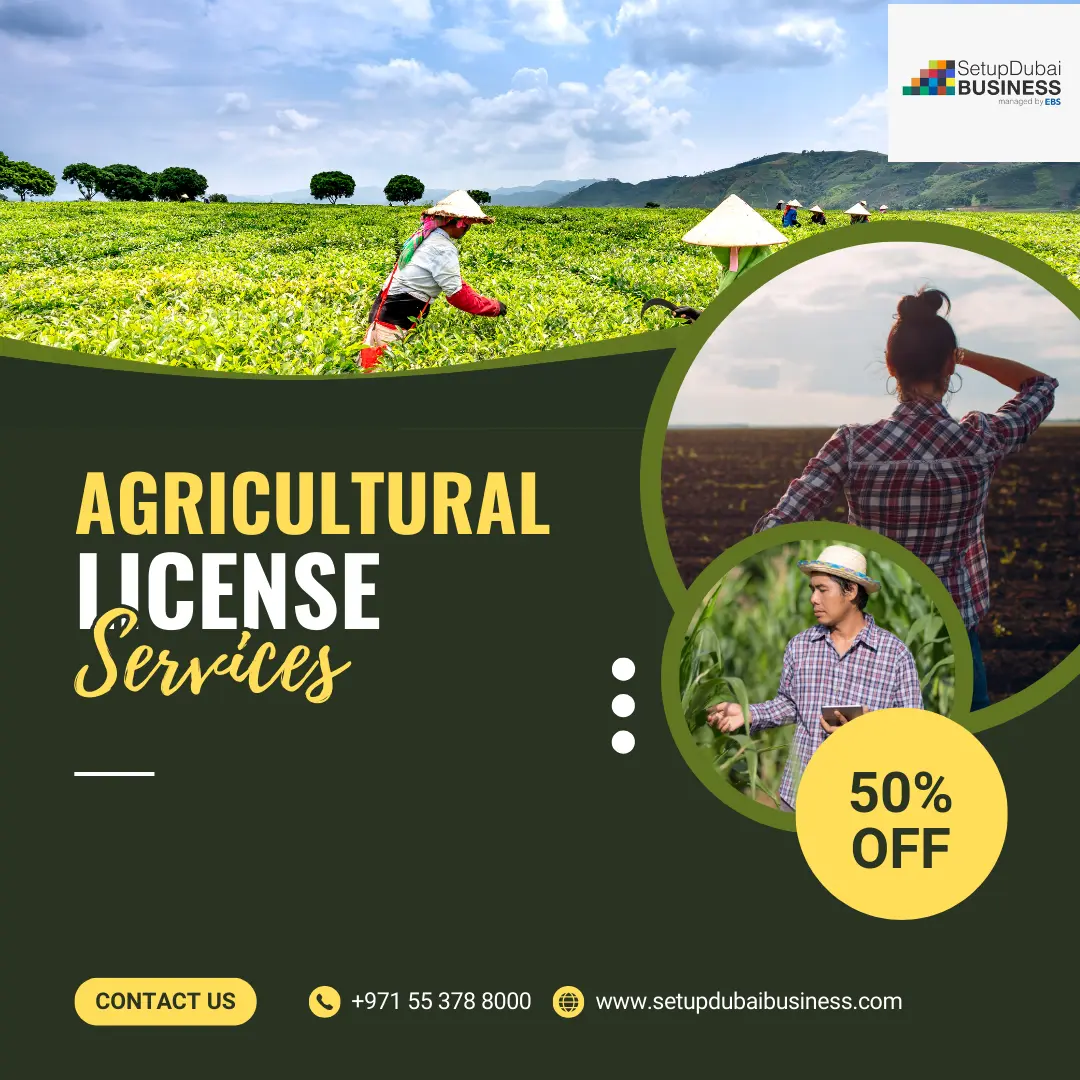
The United Arab Emirates has transformed its approach to agriculture over the past decade, evolving from a region heavily dependent on food imports to one increasingly focused on sustainable domestic food production and agricultural innovation. As part of the UAE’s broader economic diversification strategy, the agriculture sector has received substantial government support through funding initiatives, research and development investments, and regulatory frameworks designed to encourage agricultural entrepreneurship. For investors and entrepreneurs with expertise in farming, agribusiness, or agricultural technology, the UAE presents unique opportunities to participate in building the nation’s food security while operating a business in one of the region’s most stable, well-connected economies.
Despite the challenging climate characterized by high temperatures, limited rainfall, and scarce freshwater resources, the UAE has made remarkable progress in agricultural development through technology adoption and innovative farming methods. The sector has grown significantly, with the government targeting 30% food self-sufficiency by 2030 as part of the National Food Security Strategy. This ambitious goal has created opportunities across multiple agricultural subsectors from traditional farming enhanced by modern irrigation and climate control to cutting-edge vertical farming, hydroponics, and controlled environment agriculture.
The UAE’s agriculture sector encompasses diverse activities including date palm cultivation, which remains culturally significant and commercially viable with the UAE ranking among the world’s largest date producers, vegetable production in climate-controlled greenhouses supplying local markets with fresh produce year-round, livestock farming including dairy, poultry, and small-scale meat production serving local demand, aquaculture and fish farming leveraging coastal access and recirculating aquaculture systems, and agricultural technology development from precision farming tools to agricultural biotechnology research.
Government support for agriculture manifests through multiple channels including subsidies for farmers and agricultural businesses to offset operational costs, research grants for innovative agricultural technologies and sustainable farming methods, technical assistance programs providing expertise on best practices and modern farming techniques, and preferential procurement policies encouraging government entities and large buyers to source from local producers. This supportive environment reduces some of the inherent risks in agricultural ventures while creating pathways to market access that help new agricultural businesses establish themselves.
When considering an agriculture business in the UAE, understanding the range of viable opportunities helps you identify where your expertise, capital, and risk tolerance align with market needs. The most successful agricultural ventures in the UAE typically leverage technology to overcome climate limitations, focus on high-value crops or products that justify the higher production costs compared to imports, or target niche markets willing to pay premiums for local, fresh, or organic products.
Greenhouse farming represents one of the most viable agricultural business models in the UAE environment. Modern greenhouse facilities using climate control, automated irrigation, and sometimes hydroponics or aeroponics can produce vegetables, herbs, and certain fruits year-round despite extreme external temperatures. While initial capital investment for quality greenhouse infrastructure is substantial, often ranging from AED 1 million to AED 10 million depending on scale and technology level, the ability to produce consistent yields with premium pricing for locally-grown fresh produce can generate attractive returns. Tomatoes, cucumbers, peppers, leafy greens, and herbs represent commonly cultivated greenhouse crops with established local demand.
Vertical farming and controlled environment agriculture have gained significant traction as land and water constraints make traditional farming challenging. These systems grow crops in stacked layers within climate-controlled facilities, using LED lighting, precise nutrient delivery, and minimal water through recirculating systems. While technology-intensive and requiring significant initial investment and technical expertise, vertical farms achieve remarkably high yields per square meter and can be located near urban consumption centers, reducing transportation costs and ensuring maximum freshness. Several successful vertical farming operations in Dubai and Abu Dhabi demonstrate the commercial viability of this approach in the UAE market.
Date palm cultivation benefits from natural climate suitability, as the UAE’s hot, dry conditions favor date production. The country has deep cultural connections to dates, and premium date varieties command strong prices both locally and for export. Establishing a date farm requires substantial land, long-term perspective as palms take years to reach full production, and expertise in date cultivation and post-harvest handling. However, for investors with appropriate land access and long-term outlook, date farming offers a culturally meaningful business with established markets.
Livestock farming, particularly dairy and poultry operations, addresses consistent local demand for fresh dairy products, eggs, and poultry meat. The UAE imports the vast majority of its animal protein, creating opportunities for local producers who can compete on freshness and potentially build premium brands around quality and local production. Livestock operations face challenges including high feed costs since most animal feed must be imported, climate control requirements for animal welfare during extreme summer temperatures, and compliance with stringent food safety and animal health regulations. Despite these challenges, several successful dairy and poultry operations demonstrate viable business models.
Aquaculture represents an emerging opportunity given the UAE’s extensive coastline and experience with fish consumption. Fish farming using recirculating aquaculture systems can produce seafood with minimal environmental impact while addressing growing demand for fresh fish. Shrimp farming, finfish production, and even ornamental fish breeding all represent potential business models. The sector benefits from government interest in developing sustainable aquaculture as part of broader food security objectives.
Agricultural services and agritech businesses serve the farming sector without directly engaging in production. Opportunities exist in precision agriculture consulting and technology implementation, drone services for crop monitoring and agricultural spraying, soil testing and agricultural laboratory services, irrigation system design and installation, greenhouse construction and climate control systems, and agricultural input supply including seeds, fertilizers, and equipment. These businesses often require lower capital investment than farming operations while serving the growing number of agricultural enterprises across the UAE.
Obtaining an agriculture license in the UAE involves navigating specific regulatory requirements designed to ensure environmental sustainability, food safety, and proper land use. The process varies somewhat depending on your specific agricultural activity, chosen location, and scale of operations, but follows general patterns that prospective agricultural entrepreneurs should understand.
The Ministry of Climate Change and Environment serves as the primary federal authority overseeing agriculture in the UAE, setting policies, standards, and regulations that govern agricultural activities. However, practical licensing often involves local authorities in the specific emirate where you plan to operate. Each emirate has agricultural departments or environment agencies that handle licensing, inspections, and ongoing compliance monitoring. Understanding which authorities you need to engage based on your activity type and location represents the first step in the licensing process.
Your initial planning should clearly define your agricultural business model with specificity about what you’ll cultivate or produce, the methods you’ll employ, and the scale you intend to operate at. This clarity is essential because license categories and requirements differ significantly between, for example, a small-scale organic vegetable farm and a large commercial greenhouse operation, or between a date farm and a fish farming facility. Your business plan should articulate your production methods, expected yields, target markets, environmental management approach, and financial projections demonstrating business viability.
Land acquisition or lease arrangements must be secured before licensing, as you’ll need to demonstrate control over appropriate agricultural land or facilities. The UAE strictly regulates land use, and agricultural activities can only occur on land zoned and approved for such purposes. Options include leasing government agricultural land, which is available in designated agricultural zones in various emirates often at subsidized rates to encourage agricultural development, purchasing or leasing private land with agricultural zoning, or utilizing space within agricultural free zones or designated agricultural parks that provide ready infrastructure and simplified licensing.
Environmental considerations play a central role in agricultural licensing given the UAE’s water scarcity and environmental sensitivities. Your license application will require demonstration of how you’ll source water sustainably, whether through allocated groundwater permits, desalinated water, or treated sewage effluent which is increasingly used for agricultural irrigation. You’ll need to present plans for waste management, including crop residues and any chemical inputs, soil management practices that prevent degradation or contamination, and energy usage particularly if operating energy-intensive facilities like greenhouses or vertical farms. For certain larger or potentially impactful operations, environmental impact assessments may be required before licensing approval.
The formal license application involves submitting comprehensive documentation to the relevant licensing authority. Required documents typically include your detailed business plan outlining your agricultural activities, methods, and business model, land ownership or lease documentation proving control over the land where you’ll operate, environmental clearances and water permits demonstrating sustainable resource management, technical plans for facilities including greenhouse designs, irrigation systems, or livestock housing as applicable, identification documents and credentials for the business owners and key technical personnel, and in some cases, evidence of technical expertise or qualifications in agriculture or farming.
Application fees and licensing costs vary based on activity type and scale but are generally moderate compared to other business sectors, often ranging from AED 5,000 to AED 30,000 for the license itself, though this doesn’t include land costs, facility development, or equipment investment which represent the major capital requirements. Processing timelines typically range from several weeks to a few months depending on application completeness, the complexity of your proposed operation, and whether environmental assessments or additional approvals are required.
Once your license is approved, you’ll receive an agriculture license valid typically for one year with annual renewal requirements. Maintaining your license requires ongoing compliance with all conditions, submission of production reports and data as required by authorities, payment of renewal fees, and cooperation with periodic inspections that verify you’re operating according to approved plans and meeting safety and environmental standards.
Beyond obtaining your license, actually operating a successful agricultural business in the UAE requires addressing several practical challenges inherent to farming in this environment. Understanding these realities helps you plan appropriately and avoid common pitfalls that have derailed less-prepared agricultural ventures.
Water management represents perhaps the single most critical operational challenge. The UAE has minimal renewable freshwater resources, and agricultural water must come from groundwater aquifers that are declining, desalinated seawater which is expensive, or treated wastewater which is increasingly used for irrigation. Successful agricultural operations implement highly efficient irrigation systems including drip irrigation delivering water precisely to plant roots with minimal waste, automated systems with sensors optimizing water application based on actual plant needs, and water recycling and capture systems reusing drainage water where possible. The cost of water in the UAE makes water-intensive crops or inefficient irrigation economically unviable, driving adoption of the most advanced irrigation technologies.
Climate control and management are essential for most agricultural operations given summer temperatures that can exceed 50 degrees Celsius and would destroy most crops without protection. Greenhouse operations require sophisticated climate control systems including cooling systems using evaporative cooling or more energy-intensive refrigeration, shade systems and reflective coverings reducing heat load during peak summer, ventilation ensuring air circulation while managing temperature, and humidity control maintaining optimal growing conditions. The energy costs associated with climate control represent major operational expenses that must be factored into business planning and pricing strategies.
Technical expertise proves essential for operating modern, technology-intensive agricultural systems. The days of traditional farming methods succeeding in the UAE are largely past, replaced by precision agriculture requiring understanding of plant science and agronomy, irrigation and fertigation management, pest and disease management using integrated pest management approaches, post-harvest handling ensuring quality and extending shelf life, and in many cases, proficiency with agricultural technology systems and data analysis. Hiring experienced agronomists, technical managers, and trained workers represents a significant operational cost but directly impacts productivity and crop quality.
Market access and sales channels require careful planning given the competitive environment with imported products and the need to achieve pricing that covers UAE production costs. Successful approaches include establishing direct relationships with high-end hotels, restaurants, and caterers who value fresh, local produce and will pay premium prices, supplying organic or specialty stores targeting health-conscious consumers willing to pay more for quality, participating in farmers markets and direct-to-consumer channels building brand awareness and customer loyalty, developing partnerships with major retailers for shelf space though this often requires scale and consistent supply, and in some cases, export opportunities for premium products like dates or specialty crops.
Financial planning must account for the capital-intensive nature of modern agriculture in the UAE and the operational realities of farming. Initial capital requirements for land or facility development, irrigation and climate control systems, equipment and machinery, and working capital to cover expenses until first harvest can range from hundreds of thousands to millions of dirhams depending on your operation scale and sophistication. Ongoing operational costs including water and energy, labor, inputs like seeds and fertilizers, equipment maintenance, and license renewals must be covered by revenue, and new agricultural ventures should plan for several seasons to reach optimal productivity and profitability.
Government support programs can significantly improve project economics, and prospective agricultural entrepreneurs should investigate available assistance. The Ministry of Climate Change and Environment and individual emirate agricultural departments offer various programs including subsidies offsetting water, electricity, or input costs for qualifying agricultural operations, grants for adopting innovative technologies or sustainable practices, technical assistance programs providing expert advice on farming methods and business management, and preferential access to agricultural land in designated farming zones. Qualifying for and accessing these programs often requires working with authorities to demonstrate alignment with national food security objectives and sustainable farming practices.
Operating an agricultural business in the UAE requires ongoing compliance with regulations governing food safety, environmental protection, labor practices, and agricultural standards. Understanding these requirements and building robust compliance systems prevents disruptions and ensures your operation maintains good standing with authorities.
Food safety regulations apply particularly to agricultural operations producing food for human consumption. The UAE Food Safety Standards developed by UAE.S require compliance with specific standards for contaminant levels, pesticide residues, and microbial safety. Farmers must maintain records of all inputs used including fertilizers and pest control products, implement good agricultural practices throughout cultivation and harvest, ensure proper post-harvest handling preventing contamination, and submit to periodic testing and inspection by food safety authorities. For those pursuing organic certification, additional requirements apply including certified organic inputs, documentation systems proving organic status, and certification through recognized organic certifying bodies.
Environmental compliance involves meeting conditions specified in your environmental permits and general environmental regulations. This includes staying within allocated water extraction limits to prevent over-exploitation of groundwater resources, proper disposal of agricultural waste including crop residues and any chemical containers, soil protection measures preventing erosion or contamination, and in some cases, reporting on production volumes, water usage, and other metrics tracking your environmental footprint. Environmental inspectors may visit your operation periodically to verify compliance, and violations can result in fines or even license suspension.
Labor regulations govern your employment of workers, a significant consideration given that agricultural operations typically require hired labor. The UAE labor law requirements apply to agricultural workers including proper employment contracts, timely salary payment through the Wage Protection System, adequate housing and working conditions particularly important in agriculture where outdoor work in extreme conditions occurs, work permits and visas for expatriate workers who comprise most agricultural labor in the UAE, and compliance with occupational health and safety standards protecting workers from injury.
Establishing an agricultural business in the UAE involves navigating specialized licensing requirements, environmental regulations, land acquisition processes, and technical considerations that differ significantly from other business sectors. At Entrepreneurs Business Services, we provide comprehensive support for entrepreneurs and investors entering the UAE agriculture sector, combining our business setup expertise with connections to agricultural specialists who can address the technical aspects of farming operations.
Our team assists you in understanding which agricultural activities are most viable for your expertise and capital level, navigating the licensing requirements specific to your chosen agricultural activity, identifying appropriate locations and land options for your operation, preparing business plans and documentation meeting regulatory requirements, liaising with Ministry of Climate Change and Environment and local agricultural authorities, obtaining necessary environmental permits and water allocations, and connecting you with agricultural consultants, agronomists, and technical specialists who can support the operational aspects of your farm or agribusiness.
For agricultural service businesses and agritech companies, we provide standard business setup services ensuring proper licensing for your consulting, supply, or technology business serving the agricultural sector. For actual farming operations, while we handle the business registration and licensing process, we work alongside agricultural specialists who address technical aspects like greenhouse design, irrigation system specification, crop selection, and farming system development.
Our experience with UAE business regulations combined with our network of agricultural sector specialists ensures your agricultural venture launches with both proper legal foundation and sound technical planning. We understand that successful farming businesses require both regulatory compliance and operational excellence, and we help you establish both.
The UAE’s commitment to food security and agricultural development creates a supportive environment for agricultural entrepreneurship that is likely to strengthen in coming years. Government initiatives under development include expansion of agricultural research facilities and demonstration farms showcasing best practices, additional subsidies and support programs for farmers adopting sustainable and innovative practices, infrastructure development including agricultural parks with ready facilities and shared services, and technology development programs supporting agricultural innovation and agritech startups.
Climate change concerns and global food security considerations make local food production increasingly strategic, suggesting continued policy support for viable agricultural enterprises. For entrepreneurs with agricultural expertise, technology capabilities, or innovative approaches to farming in challenging environments, the UAE offers opportunities to build businesses addressing genuine needs while benefiting from government support and market demand for locally-produced food.
If you’re considering establishing an agricultural business in the UAE, whether a farming operation, aquaculture facility, or agricultural services company, beginning with expert guidance on licensing requirements, land acquisition, and regulatory compliance positions your venture for success.
At Entrepreneurs Business Services, we help agricultural entrepreneurs navigate the complete process from initial planning through license approval and operational launch. Our team understands the agriculture sector’s unique requirements and can connect you with the technical specialists needed for farming success.
Contact us today to discuss your agricultural business plans and explore how we can support your license application and business establishment. Our consultants provide personalized guidance based on your specific agricultural activity and business objectives.
Call us at +971 4303 8333 or email info@ebsuae.com to speak with our business setup specialists. Let us help you contribute to the UAE’s agricultural development while building a successful, sustainable agricultural enterprise.

Get a Quote
WhatsApp Italiano
 简体中文
简体中文 Русский
 日本語
日本語 عربى
عربى