


 English
 May 04, 2024
Dubai has established itself as one of the world’s premier tourism destinations, consistently attracting millions of visitors annually who come for business, leisure, events, and the unique lifestyle the emirate offers. For investors seeking opportunities in a proven, growing market backed by government support and world-class infrastructure, Dubai’s tourism sector presents compelling possibilities across multiple subsectors. From hospitality and accommodation to entertainment venues, from retail experiences to sustainable tourism initiatives, the breadth of investment opportunities reflects the diverse needs of Dubai’s increasingly sophisticated tourism market. Understanding these opportunities and the factors driving continued tourism growth helps investors identify where their capital and expertise can generate the strongest returns.
Dubai’s tourism sector has demonstrated remarkable resilience and growth over the past decade, recovering strongly from temporary disruptions and consistently expanding visitor numbers and tourism revenues. As of 2025, Dubai welcomes over 20 million international overnight visitors annually, a figure that represents sustained growth from previous years and positions the emirate among the world’s most-visited cities. These visitor numbers translate to substantial economic impact, with tourism contributing approximately 12% of Dubai’s GDP and supporting hundreds of thousands of jobs across hospitality, retail, transportation, entertainment, and related sectors.
The visitor profile to Dubai is notably diverse, drawing tourists from Europe, Asia, the Middle East, Africa, and the Americas. This geographic diversity provides stability against regional economic fluctuations and ensures year-round demand across different seasons. Business travelers represent a significant segment, attracted by Dubai’s role as a regional commercial hub, its world-class conference facilities, and the concentration of multinational corporations with regional headquarters in the emirate. Leisure visitors come for the shopping, beaches, dining, entertainment, and unique attractions that have become synonymous with the Dubai experience. Family tourism has grown particularly strong, driven by theme parks, family-oriented attractions, and the city’s reputation as a safe, clean destination with activities suitable for all ages.
Looking forward, Dubai’s tourism strategy targets continued growth with ambitious plans to attract 25 million visitors annually by 2025 and beyond. Government initiatives supporting this growth include ongoing infrastructure investments in transportation, attractions, and hospitality facilities, aggressive international marketing campaigns promoting Dubai across key source markets, regulatory reforms making it easier for tourists to visit including expanded visa-free access and simplified visa processes, major events and exhibitions that put Dubai on the global stage, and development of new tourism products targeting emerging segments like wellness tourism, adventure tourism, and cultural tourism.
Dubai’s success as a tourism destination derives from several fundamental advantages that create favorable conditions for tourism investments. The emirate’s geographic position at the crossroads of Europe, Asia, and Africa means it sits within convenient flight times from billions of potential visitors. Emirates Airlines and other carriers based at Dubai International Airport provide direct connections to over 150 destinations globally, making Dubai accessible from virtually anywhere. The opening of Al Maktoum International Airport, which will eventually become the world’s largest airport by capacity, will further strengthen Dubai’s position as a global aviation hub and tourism gateway.
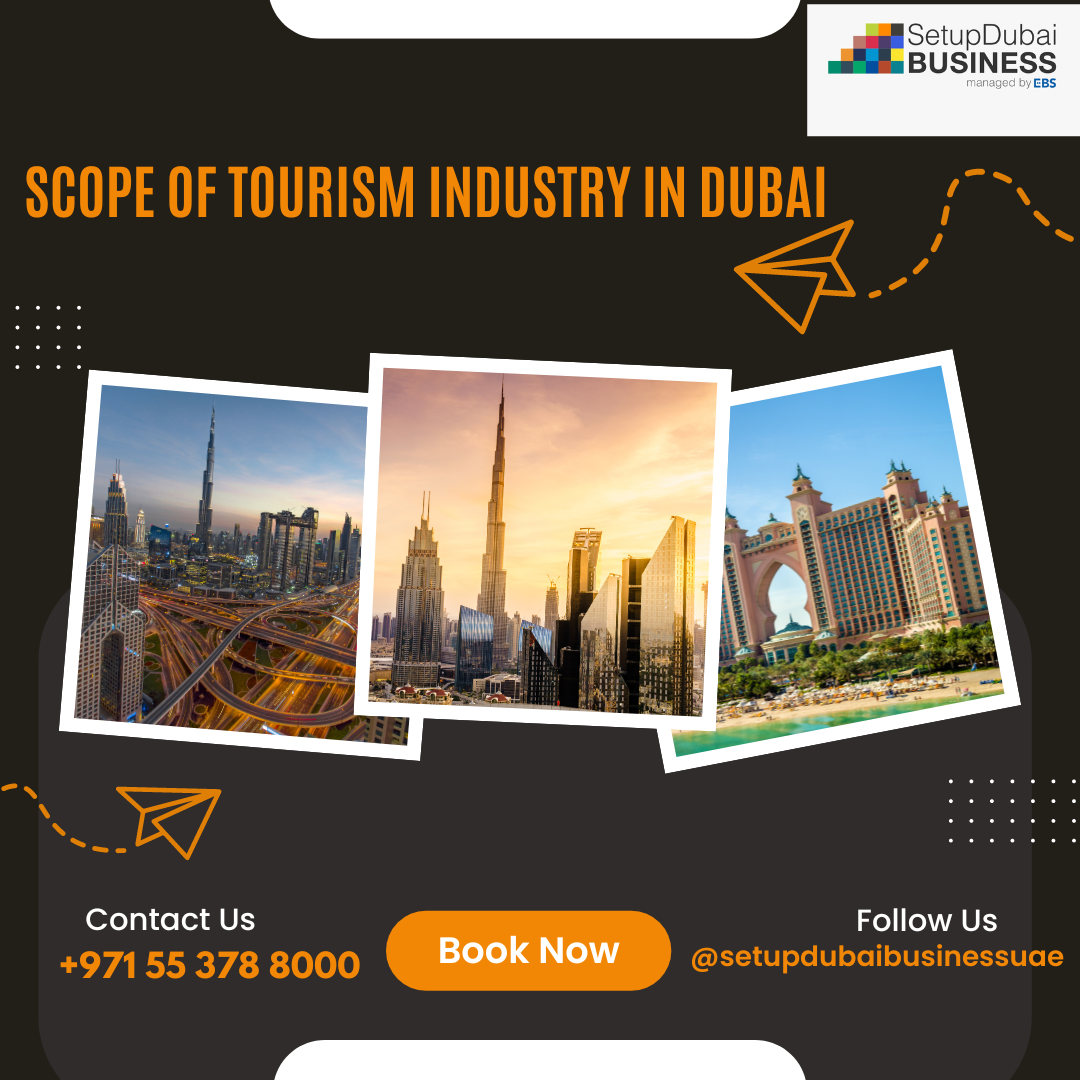
The infrastructure supporting tourism in Dubai rivals or exceeds that of any competing destination. Dubai International Airport consistently ranks among the world’s busiest for international passenger traffic, while the metro system, modern road networks, and efficient taxi and ride-hailing services make navigation straightforward for visitors. The concentration of hotels across every category from budget to ultra-luxury ensures accommodation options for every visitor segment and budget. Iconic attractions like the Burj Khalifa, the world’s tallest building, Palm Jumeirah with its distinctive palm-shaped island development, Dubai Mall as one of the world’s largest shopping and entertainment destinations, and newer landmarks like the Dubai Frame and Museum of the Future create must-see experiences that drive visitor interest.
Safety and security represent fundamental advantages often underestimated by investors focused purely on attractions and amenities. Dubai maintains extremely low crime rates, political stability, and a welcoming environment for international visitors of all backgrounds. Families, solo travelers, and business visitors all consistently cite safety as a key factor in choosing Dubai, and this reputation takes years to build but provides enduring competitive advantage. The efficient government services, cleanliness of public spaces, and generally high standards of service across tourism sectors create positive visitor experiences that drive repeat visitation and strong word-of-mouth recommendations.
Climate plays an interesting dual role in Dubai tourism. While summer months can be extremely hot with temperatures regularly exceeding 40 degrees Celsius, this has driven development of world-class indoor attractions, climate-controlled environments, and winter tourism that peaks when European and North American visitors seek warm weather escapes. The November to March period represents peak tourism season with ideal weather conditions, but hotels and attractions maintain strong year-round occupancy through competitive summer pricing and indoor entertainment options.
The hospitality sector forms the foundation of Dubai’s tourism industry and presents diverse investment opportunities across different market segments and business models. Dubai’s hotel market has grown dramatically over the past two decades and now offers over 140,000 hotel rooms and hotel apartment keys across hundreds of properties. Despite this substantial supply, well-positioned properties maintaining high service standards continue achieving strong occupancy rates and healthy returns.
Luxury hotel development remains attractive in prime locations, particularly properties that offer unique positioning or exceptional service levels. International luxury brands continue entering or expanding in Dubai, while boutique luxury properties focusing on personalized service and distinctive character find receptive markets among travelers seeking alternatives to large chain hotels. Investment requirements for luxury properties are substantial, typically ranging from AED 500,000 to over AED 1 million per room depending on location and positioning, but properly executed projects can achieve strong returns through premium pricing and ancillary revenue from food and beverage, spa services, and other offerings.
Mid-market hotels representing three and four-star properties serve the largest visitor segment and often achieve the most consistent performance across economic cycles. Business travelers, family tourists, and value-conscious leisure visitors all seek comfortable, well-located accommodation at reasonable prices. Established international brands in this segment benefit from strong booking channels and brand recognition, while well-operated independent properties can compete effectively through competitive pricing and personalized service. Development costs are more moderate than luxury properties, typically AED 250,000 to AED 500,000 per room, making projects more accessible to mid-sized investors.
Hotel apartments and serviced residences have gained market share as visitors increasingly seek apartment-style accommodation offering more space, kitchen facilities, and flexibility compared to traditional hotel rooms. These properties appeal particularly to longer-stay visitors, families, and business travelers preferring residential-style accommodation. The operational model differs somewhat from traditional hotels, often achieving higher efficiency through less intensive service models while maintaining strong occupancy through competitive pricing.
Short-term rental properties including holiday homes and apartments marketed through platforms like Airbnb and Booking.com represent another investment avenue, though regulations have tightened to ensure quality and compliance. Dubai requires proper licensing for short-term rental operations, and investors must ensure properties meet Department of Economy and Tourism standards. When properly licensed and professionally managed, short-term rental properties can achieve attractive returns, particularly in high-demand locations near major attractions, business districts, or beaches.
Dubai’s evolution from a primarily shopping and beach destination to a comprehensive entertainment destination has opened diverse investment opportunities in attractions, theme parks, entertainment venues, and experiential offerings. The government has invested heavily in developing major attractions while also creating a supportive environment for private sector entertainment investments.
Theme parks represent substantial investments but can generate strong returns given Dubai’s year-round tourist flow and regional market. Dubai Parks and Resorts, IMG Worlds of Adventure, and other major theme parks attract millions of visitors annually, while opportunities exist for specialized attractions targeting specific demographics or interests. Water parks perform particularly well given the climate and appeal to families, with existing properties like Aquaventure and Wild Wadi demonstrating sustained popularity.
Entertainment venues including live performance theaters, concert halls, comedy clubs, and cultural performance spaces address growing demand from both residents and tourists seeking evening entertainment beyond dining and shopping. Dubai Opera has demonstrated strong performance since opening, while smaller venues focusing on specific entertainment niches from stand-up comedy to live music to theatrical performances find receptive audiences. Investment scales vary widely from modest venues requiring a few million dirhams to major entertainment complexes requiring substantially more, allowing investors to participate at levels matching their risk tolerance and capital availability.
Adventure and experience-based attractions have grown rapidly as tourists increasingly seek Instagram-worthy experiences and unique activities. Desert safaris remain perennially popular, while newer offerings like skydiving, hot air ballooning, indoor skiing, water sports, and various adventure activities attract visitors seeking active experiences beyond traditional sightseeing. These businesses often require more moderate capital investment compared to theme parks while achieving strong margins through premium pricing for unique experiences.
Cultural attractions and heritage tourism represent an emerging opportunity as Dubai diversifies its tourism offering beyond shopping and modern attractions. The Al Fahidi Historical Neighborhood, Dubai Museum, and various cultural centers attract visitors interested in understanding Emirati culture and the region’s history. Investment opportunities exist in developing cultural experiences, heritage tours, traditional dining experiences, and educational programs that connect visitors with authentic local culture. While this segment may not generate the revenue volumes of major theme parks, it addresses growing demand for meaningful, educational tourism experiences.
Shopping remains a cornerstone of Dubai tourism, with many visitors citing shopping as a primary motivation for their visits. The emirate’s reputation as a shopping paradise derives from world-class malls, traditional souks, duty-free shopping, and seasonal shopping festivals that create compelling retail experiences. For investors, opportunities span retail real estate development, retail operations, and food and beverage concepts targeting tourists and residents alike.
Retail space in high-traffic locations near major attractions, hotels, or transportation hubs commands premium rents but benefits from consistent foot traffic from tourists supplementing resident shoppers. Dubai Mall, Mall of the Emirates, and other major shopping destinations attract tens of millions of visitors annually, creating opportunities for retailers offering products that appeal to international visitors. Luxury retail performs particularly strongly given Dubai’s concentration of high-net-worth visitors from across the region and globally.
Food and beverage concepts represent accessible entry points for investors interested in tourism-oriented businesses without the capital requirements of hotel or attraction development. Dubai’s dining scene spans every cuisine and price point, from street food to Michelin-starred fine dining. Tourist-oriented restaurants in high-visibility locations near attractions or in major hotels can achieve strong performance, particularly concepts offering unique experiences, exceptional food quality, or distinctive ambiance. International restaurant brands continue entering Dubai while local concepts successfully expand, indicating market depth that can support both established names and innovative new offerings.
Food halls and dining concepts within hotels represent another avenue, with hotels increasingly viewing food and beverage as profit centers rather than just guest amenities. Well-executed restaurant concepts can attract both hotel guests and outside diners, generating revenue beyond room sales while enhancing overall property appeal.
Dubai has invested substantially in cruise tourism infrastructure and has emerged as a significant cruise destination and homeport in the region. The Dubai Cruise Terminal at Port Rashid and facilities at other locations accommodate large modern cruise ships, while Dubai’s positioning on cruise routes between Europe and Asia drives steady passenger volumes. For investors, opportunities exist in shore excursion operations, marine tourism activities, and services supporting cruise passengers during port calls.
Shore excursions represent the primary spending category for cruise passengers during port calls, creating opportunities for tour operators offering city tours, attraction visits, shopping experiences, and cultural activities designed to showcase Dubai’s highlights within the limited time passengers spend in port. Well-designed shore excursions that efficiently showcase major attractions while allowing shopping time can achieve strong margins while building reputation through positive reviews and repeat cruise line partnerships.
Marina operations, yacht charters, boat tours, and water sports activities capitalize on Dubai’s coastline and modern marina infrastructure. Dubai Marina, one of the world’s largest man-made marinas, supports numerous marine tourism businesses while new developments continue expanding waterfront amenities. Water-based activities from dinner cruises to fishing charters to jet ski rentals to luxury yacht experiences all find markets among tourists seeking maritime experiences.
Sustainability has become an increasingly important consideration in Dubai’s tourism development, creating investment opportunities in eco-friendly properties, sustainable tour operations, and green tourism initiatives. The UAE government has committed to sustainability goals including carbon neutrality targets, renewable energy deployment, and environmental conservation, creating supportive policy environments for sustainable tourism investments.
Eco-friendly hotels and resorts incorporating sustainable design, renewable energy, water conservation, and waste reduction find growing appeal among environmentally-conscious travelers. While development costs may be somewhat higher due to green building standards and sustainable technologies, these properties often achieve pricing premiums and stronger brand positioning while benefiting from lower operating costs for energy and water. Several properties in Dubai have achieved international green building certifications while maintaining luxury positioning, demonstrating that sustainability and high-end hospitality are not mutually exclusive.
Sustainable tour operators focusing on low-impact tourism, cultural education, and environmental awareness address demand from travelers seeking responsible tourism experiences. Desert conservation tours, wildlife experiences, and educational programs about Emirati ecology and traditional sustainable practices connect visitors with natural and cultural heritage while supporting conservation efforts.
While Dubai’s tourism sector offers compelling opportunities, successful investments require understanding the competitive environment, operational realities, and specific challenges that can affect returns. The market is sophisticated and competitive, with international operators bringing world-class standards and deep operational expertise. New entrants must offer genuine differentiation through superior service, unique positioning, innovative concepts, or exceptional execution to succeed against established competition.
Capital requirements vary dramatically across different tourism subsectors, from relatively modest investments for small tour operations or food and beverage concepts to hundreds of millions for major hotel or attraction developments. Understanding realistic cost expectations and ensuring adequate capitalization to reach operational profitability is essential. Many tourism businesses are capital-intensive with long payback periods, requiring patient capital and realistic return expectations.
Operational expertise is critical in tourism businesses where service quality, customer experience, and reputation determine success or failure. Investors without hospitality or tourism operations experience should carefully consider whether to partner with experienced operators, hire proven management teams, or franchise established brands rather than attempting to develop operational capabilities from scratch. The cost of operational missteps in tourism businesses can be high, as negative reviews and poor reputations spread quickly and require substantial effort to overcome.
Regulatory compliance across licensing, safety standards, employment regulations, and sector-specific requirements demands attention and ongoing management. Tourism businesses face regular inspections and must maintain compliance to avoid penalties or license suspensions that directly impact revenue. Working with experienced consultants during setup and maintaining strong operational compliance systems prevents costly regulatory issues.
Establishing a tourism business in Dubai involves navigating company formation, licensing requirements specific to tourism activities, visa processing for yourself and key staff, and numerous operational considerations. At Entrepreneurs Business Services, we provide comprehensive support for investors entering Dubai’s tourism sector across all subsectors from hospitality to attractions to tour operations.
Our team helps you understand licensing requirements for your specific tourism business activity, as requirements vary significantly between hotel operations, tour operators, event management, food service, and other tourism subsectors. We guide you through selecting appropriate jurisdiction whether mainland or specialized free zones, assist with preparing business plans meeting UAE requirements and providing strategic direction for your operations, and handle complete company registration and licensing including obtaining approvals from Department of Economy and Tourism and other relevant authorities.
For hospitality projects, we can connect you with specialists in hotel licensing, connect you with architects and contractors experienced in hospitality development, and provide guidance on operational requirements and quality standards. For tour operations and activity businesses, we assist with obtaining the specific approvals required for tourism activities and help ensure compliance with safety and insurance requirements. Throughout your setup and beyond, we provide ongoing support ensuring your business maintains compliance and can adapt to regulatory changes.
Dubai’s tourism sector continues evolving with new attractions, improved infrastructure, and growing visitor numbers creating ongoing investment opportunities. The successful hosting of Expo 2020, despite pandemic delays, left lasting infrastructure including exhibition facilities, transportation improvements, and attractions that continue drawing visitors. Major upcoming developments including expansion of theme parks, new hotel properties from leading international brands, continued development of Dubai Creek Harbour and other tourism-oriented districts, and ongoing enhancement of cultural and heritage tourism offerings all point to continued sector growth.
The government’s commitment to tourism as a key economic pillar ensures continued support through infrastructure investment, international marketing, regulatory improvements, and strategic initiatives. For investors, this creates confidence that the fundamental drivers supporting tourism demand will remain strong while competitive pressures and evolving visitor expectations require continued innovation and high service standards.
If you’re considering investment in Dubai’s tourism sector, whether in hospitality, attractions, food and beverage, tour operations, or other tourism-related businesses, starting with expert guidance on company formation, licensing, and market entry strategies positions your investment for success.
At Entrepreneurs Business Services, we bring over a decade of experience helping international investors establish tourism businesses across Dubai and the broader UAE. We understand the sector-specific requirements, connect you with relevant specialists, and provide the comprehensive support you need to navigate from concept to operational launch.
Contact us today to discuss your tourism investment plans and explore how we can support your market entry. Our consultants provide personalized guidance based on your investment objectives and tourism sector focus.
Call us at +971 4303 8333 or email info@ebsuae.com to speak with our business setup specialists. Let us help you capitalize on the opportunities in Dubai’s dynamic tourism sector.
Get a Quote
WhatsApp Italiano
 简体中文
简体中文 Русский
 日本語
日本語 عربى
عربى