


 English

 February 14, 2026
Launching a business in Dubai often feels like a strategic crossroads for British, American, and Irish entrepreneurs seeking reliable tax benefits and global market access. The United Arab Emirates offers company formation pathways tailored for international growth, with free zone options allowing 100% foreign ownership and streamlined registration. Understanding Dubai’s unique legal structures helps business owners make informed choices that maximize operational flexibility and minimize tax exposure.
| Point | Details |
|---|---|
| Business Structure Variations | Choose between Free Zone, Mainland, or Offshore companies based on ownership, market access, and tax benefits. |
| Documentation is Key | Prepare essential documents like shareholder passports, business plans, and license applications to streamline the setup process. |
| Regulatory Compliance | Stay informed about local regulations to avoid penalties and ensure successful business operations. |
| Cost Awareness | Be mindful of startup costs such as licensing fees and legal consulting to effectively budget for your business setup. |
Establishing a business in Dubai represents a strategic opportunity for global small and medium enterprises seeking tax advantages and strategic market positioning. The United Arab Emirates offers a robust, investor-friendly environment with multiple company formation pathways designed to attract international entrepreneurs.
Business setup in Dubai typically involves selecting between three primary structures:
Each structure provides unique benefits tailored to different business objectives. Free zone entities are particularly attractive for international SMEs, offering complete foreign ownership, zero corporate taxes, and streamlined registration processes. Business setup in Dubai requires understanding these nuanced legal frameworks.
The registration process involves multiple steps, including selecting a business activity, choosing a corporate structure, obtaining necessary licenses, and preparing required documentation. Entrepreneurs must navigate several administrative checkpoints, from name reservation to final company registration with Dubai’s Department of Economic Development.
Key Documentation Requirements:
Pro tip: Consult with a local business setup specialist to streamline your registration process and avoid potential bureaucratic complications.
Navigating Dubai’s business landscape requires a strategic understanding of the three primary company formation structures available to international entrepreneurs. Each option presents unique advantages and regulatory considerations that can significantly impact your business strategy and operational flexibility.
Company Structure Comparison:
LLC (Limited Liability Company): – Requires local Emirati shareholder (51% ownership)
Free Zone Companies:
Mainland Companies:
The business setup in Dubai involves carefully evaluating these structures based on your specific business objectives. Free zone entities are particularly attractive for international SMEs seeking minimal bureaucratic interference and maximum operational autonomy.

Choosing the right structure depends on multiple factors including your business activity, target market, capital investment, and long-term growth strategy. Mainland LLCs offer direct market access but require navigating more complex partnership regulations, while free zone companies provide unparalleled operational flexibility for international entrepreneurs.
The following table highlights how different Dubai company structures impact key business aspects:
| Business Factor | Free Zone Company | Mainland LLC | Offshore Company |
|---|---|---|---|
| Ownership Rules | 100% foreign allowed | 51% local partner required | 100% foreign allowed |
| UAE Market Access | Limited (only within zone) | Full UAE market access | No direct UAE operations |
| Tax Exposure | Typically exempt, low taxes | Subject to UAE taxes | Focus on tax optimization |
| Setup Speed | Fast, simplified procedures | Moderate, more regulations | Fast, few requirements |
| Suitable For | Global trade/service firms | Local commercial activities | International holdings |
The right business structure can make or break your Dubai market entry strategy.
Key Decision Factors:
Pro tip: Conduct a comprehensive feasibility study and consult with local business formation experts to determine the most suitable company structure for your specific business goals.
Establishing a business in Dubai requires meticulous preparation and understanding of the complex regulatory landscape. International entrepreneurs must navigate a series of strategic steps to successfully incorporate their company and ensure full legal compliance with United Arab Emirates regulations.
Initial Preparation Stages:
Dubai business setup procedures involve multiple critical administrative checkpoints that demand careful attention to detail. Regulatory compliance represents the most crucial aspect of company formation, requiring entrepreneurs to understand specific documentation and procedural requirements for their chosen business jurisdiction.
The documentation process typically involves submitting comprehensive paperwork that demonstrates business viability and legal conformity. Key documents entrepreneurs must prepare include:
Precision in documentation can significantly accelerate your business setup timeline.
Entrepreneurs must also navigate specific requirements based on their selected business structure. Free zone companies, mainland LLCs, and offshore entities each have unique registration protocols, requiring tailored approaches to licensing, shareholder documentation, and regulatory approvals.
Critical Registration Steps:
Pro tip: Engage a professional business setup consultant to streamline your registration process and ensure accurate compliance with UAE regulatory requirements.
Navigating the evolving legal and tax landscape in Dubai requires a strategic approach that balances regulatory compliance with financial optimization. International entrepreneurs must stay informed about the latest regulatory changes and tax implications that could significantly impact their business operations and financial planning.
Key Legal Compliance Areas:
Taxation Framework:
Strategic tax planning can result in substantial financial savings for international businesses.
The United Arab Emirates continues to refine its regulatory environment to attract global businesses while maintaining robust legal frameworks. Compliance requirements have become increasingly sophisticated, demanding meticulous attention to detail from international entrepreneurs.
Compliance Monitoring Strategies:
Free zone companies enjoy unique tax advantages, including potential exemptions and streamlined regulatory processes. Entrepreneurs must carefully evaluate their business structure to maximize these benefits while ensuring full legal compliance.
Pro tip: Invest in professional legal and tax advisory services to navigate the complex regulatory landscape and optimize your business’s financial strategy.
Establishing a business in Dubai demands strategic financial planning and a comprehensive understanding of potential challenges and opportunities. International entrepreneurs must carefully evaluate the financial landscape and anticipate potential obstacles to ensure successful market entry.
Estimated Startup Costs:
Business setup insights reveal critical considerations for market access and financial planning. Market entry strategies require entrepreneurs to understand the nuanced economic ecosystem of the United Arab Emirates.
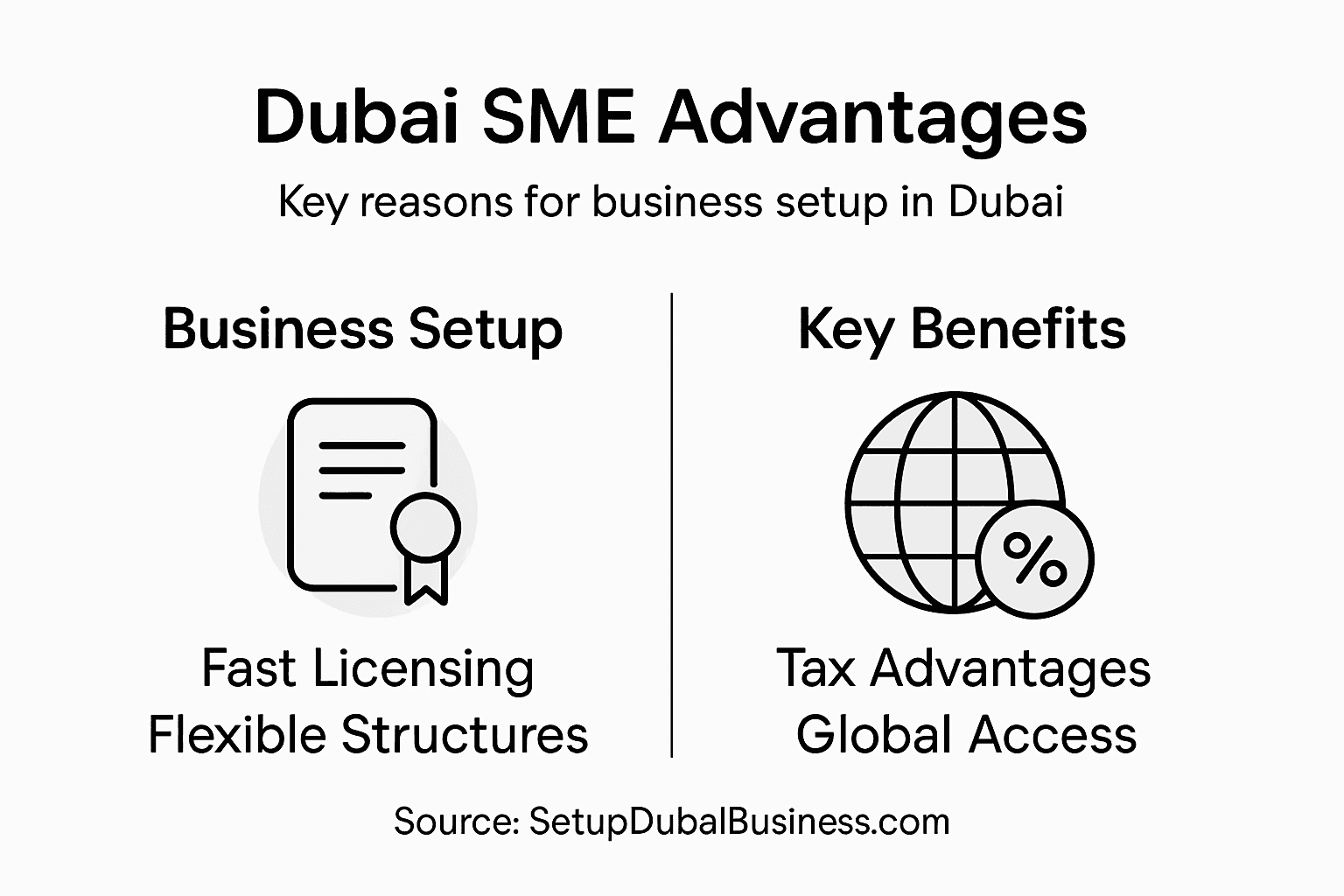
Use this summary to understand major cost drivers and risk areas for Dubai business setup:
| Cost/Risk Area | Typical Range or Focus | Impact on Success |
|---|---|---|
| Startup License Fees | AED 5,000–20,000 | Affects initial outlay |
| Legal/Consulting Fees | AED 15,000–35,000 | Informs compliance quality |
| Documentation Accuracy | Requires meticulous preparation | Delays setup if inadequate |
| Market Understanding | Market research and cultural awareness | Key for growth and retention |
| Regulatory Compliance | Ongoing legal updates/monitoring | Essential to avoid penalties |
Common Entrepreneurial Mistakes:
Thorough preparation can transform potential obstacles into strategic opportunities.
Free zone and mainland company structures offer distinct market access advantages. Entrepreneurs must carefully evaluate their specific business objectives to determine the most appropriate incorporation strategy that maximizes operational flexibility and market reach.
Market Access Strategies:
Pro tip: Conduct comprehensive due diligence and engage local business consultants to navigate the complex Dubai market entry landscape effectively.
If you are an international entrepreneur or SME aiming to capitalize on Dubai’s strategic advantages such as tax efficiency, flexible company structures, and direct market access, navigating the complex setup process can feel overwhelming. Challenges like understanding the differences between mainland LLCs and free zone companies, securing the right licenses, and ensuring regulatory compliance are critical hurdles that need expert guidance. Choosing the right business structure and completing your registration smoothly are decisive steps to avoid costly delays and unlock growth opportunities.
At SetupDubaiBusiness.com we specialize in simplifying Dubai business formation for global investors. Our end-to-end consultancy covers company incorporation, licensing, visa processing, and office solutions tailored to your goals. With strong government relationships and streamlined procedures, we help you launch your business quickly with confidence and legal compliance. Don’t let complex regulations hold you back. Explore our business formation services and take advantage of expert support designed to accelerate your Dubai market entry. Start your journey now with trusted partners by your side.
Dubai offers advantages such as 100% foreign ownership in free zones, zero corporate taxes, and strategic market access to the Middle East and beyond, making it an attractive destination for global SMEs.
The process typically involves selecting a business structure (like Free Zone, Mainland, or Offshore), choosing a business activity, obtaining necessary licenses, and preparing required documentation, such as passport copies and a business plan.
The primary company structures in Dubai include Free Zone Companies (100% foreign ownership), Mainland Companies (51% local partner required), and Offshore Companies (focused on international operations and tax optimization).
Yes, businesses in Dubai benefit from a low corporate tax rate of 9% for profits exceeding AED 375,000, while there are no personal income taxes and no capital gains tax, making it a tax-efficient jurisdiction.
Get a Quote
WhatsApp Italiano
 简体中文
简体中文 Русский
 日本語
日本語 عربى
عربى