


 English
 July 18, 2024
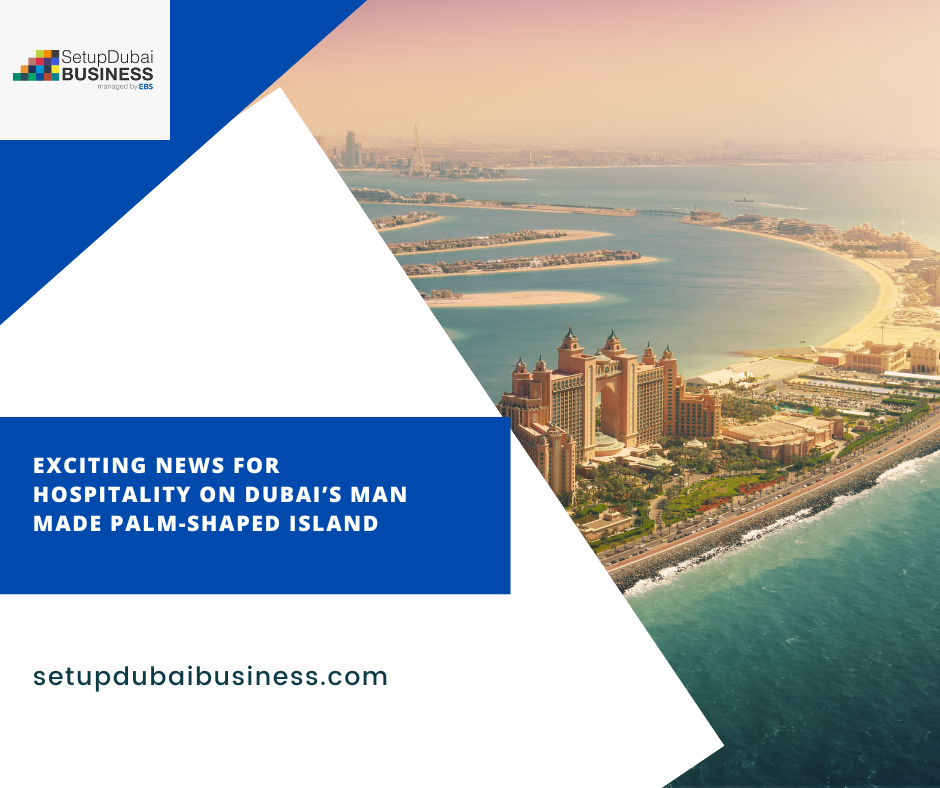
Palm Jumeirah remains one of the world’s most iconic man-made developments and a global symbol of luxury hospitality and real estate innovation. This uniquely shaped island continues to attract significant investment in the hospitality sector, with multiple new hotel and resort projects reshaping the destination’s landscape for both leisure and business travelers.
The convergence of world-class hotels, branded residences, dining destinations, and premium lifestyle experiences makes Palm Jumeirah not just a tourist attraction but a thriving business ecosystem for hospitality entrepreneurs.
Palm Jumeirah spans 5 square kilometers and adds 78 kilometers to Dubai’s coastline, making it the world’s largest artificial island when it was created. Its distinctive palm-tree shape features six marinas and serves as home to some of the world’s most luxurious properties and world-class hospitality establishments.
The island’s infrastructure, strategic location near Dubai International Airport and Dubai Marina, and established reputation as a premium destination create ideal conditions for hospitality business development. With existing iconic properties like Atlantis The Palm, Anantara, One&Only, and numerous fine dining establishments, Palm Jumeirah has proven itself as one of the world’s premier hospitality clusters.
Palm Jumeirah already hosts a diverse portfolio of luxury hotels and resorts serving millions of annual visitors to Dubai.
The island’s established hospitality offerings include:
These established properties demonstrate proven market demand and operational success on the island, validating its positioning as a world-class hospitality destination.
Beyond accommodation, Palm Jumeirah features world-class dining venues spanning diverse cuisines. Fine dining restaurants, casual beachfront establishments, and specialty venues create comprehensive food and beverage ecosystems supporting both residents and visitors.
The island’s Aquaventure Waterpark provides major attraction functionality beyond accommodation, creating incentive for multi-day visits and family-oriented tourism.
Multiple new hotel and resort projects are currently under development across Palm Jumeirah, representing billions of dirhams in hospitality investment.
Six Senses is bringing its first UAE property to Palm Jumeirah’s West Crescent, featuring 61 luxury hotel rooms and 162 branded residences. This wellness-focused property emphasizes sustainable practices and high-end hospitality aligned with the Six Senses brand philosophy globally.
The development includes extensive wellness facilities, private beach access, multiple dining venues, and spa amenities designed to appeal to affluent travelers seeking holistic resort experiences. The branded residence component creates additional revenue streams through fractional ownership and residential investment opportunities.
Positioning: Premium wellness destination targeting affluent international travelers and wellness-focused guests
Estimated rooms: 61 hotel rooms
Branded residences: 162 units
Alba represents an ultra-luxury beachfront property on Palm Jumeirah’s East Crescent, featuring contemporary design by renowned architect Zaha Hadid and interior design by prestigious Gilles et Boissier.
The property combines 95 keys with premium hospitality services, offering boutique-scale operations emphasizing personal service and exclusive experiences. Fine dining restaurants, wellness spa facilities, and swimming pools create comprehensive resort amenities for discerning international guests.
The beachfront location provides direct Arabian Gulf views, and the architectural distinction creates strong market differentiation in the premium segment.
Positioning: Ultra-luxury boutique beachfront resort
Room count: 95 keys
Design distinction: Zaha Hadid Architects and Gilles et Boissier interiors
Multiple other hospitality projects are in development or planning stages across Palm Jumeirah and neighboring areas, including various branded residences combining hotel operations with residential components.
Beyond individual properties, Palm Jumeirah is seeing broader infrastructure investment supporting hospitality operations and guest experiences.
The Palm Jumeirah Monorail provides efficient transportation connecting different zones of the island, enabling guests to move between accommodations, dining, and attractions. This transportation infrastructure reduces congestion and improves visitor flow across the destination.
Multiple beaches, marina facilities, and water-based recreation infrastructure support both hospitality operations and leisure activities essential for guest satisfaction and extended stay experiences.
New hospitality developments emphasize environmental sustainability, utilizing eco-friendly building materials, renewable energy systems, and water conservation technologies. This aligns with global hospitality trends toward sustainable luxury and appeals to environmentally conscious travelers.
The booming hotel and resort development creates multiple business opportunities for entrepreneurs and investors in supporting sectors.
The pipeline of new properties requires professional management teams, skilled hospitality staff, and support services. Experienced hospitality operators can establish management contracts, operational partnerships, and service agreements with new developments.
New hotels require multiple dining venues spanning casual to fine dining. Restaurants, bars, beach clubs, and specialty dining concepts create entrepreneurial opportunities for culinary professionals seeking to establish presence in premium markets.
Hotels require diverse supporting services including:
The integration of branded residences within new hospitality properties creates investment opportunities in luxury residential real estate. Secondary market trading, property management, and fractional ownership coordination generate ongoing revenue streams.
Unique attractions and experiences enhance hotel appeal and encourage multi-day visits. Adventure tourism, cultural experiences, water sports, and entertainment venues create business opportunities for specialized operators.
Palm Jumeirah’s hospitality boom aligns with Dubai’s broader tourism growth and strategic expansion.
Dubai welcomed 18.72 million international visitors in 2024, reinforcing its position as a global tourism capital. This visitor base creates strong demand for diverse accommodation options across price points and styles, with Palm Jumeirah capturing the ultra-luxury segment.
Dubai’s Tourism Vision 2031 targets 40 million hotel guests annually and AED 450 billion tourism sector contribution to GDP. This ambitious strategy drives continued hotel development, infrastructure investment, and tourism product innovation across the emirate.
Western European visitors represent the largest source market (20%), followed by South Asian travelers (17%), Russian and Eastern European visitors (15%), and GCC country residents (14%). This geographic diversity creates demand for diverse hospitality experiences and service offerings.
Palm Jumeirah offers distinct advantages compared to other Dubai hospitality locations:
Geographic positioning: Iconic status as world’s largest artificial island provides unique marketing appeal and brand differentiation unavailable in traditional beachfront locations.
All-inclusive experiences: The island’s integrated resort model combines accommodation, dining, attractions, and activities within a contained geography, enabling guests to experience comprehensive hospitality ecosystems without departing the island.
Premium market focus: The concentration of ultra-luxury properties establishes Palm Jumeirah as the world’s premier ultra-luxury resort destination, attracting affluent international travelers seeking exclusive experiences.
Marina and water access: Six marinas enable yacht-based hospitality models, water sports, and marine-based activities creating additional revenue streams and experiential differentiation.
Established infrastructure: Decades of development and hospitality operations have created mature infrastructure, skilled workforces, and established vendor relationships supporting new property operations.
Entrepreneurs seeking to establish hospitality or supporting businesses on Palm Jumeirah should consider several factors:
Different areas of Palm Jumeirah have distinct zoning designations and regulatory frameworks. Understanding specific location requirements, building regulations, and operational permissions is essential before committing to specific sites.
Hospitality operations require comprehensive licensing covering accommodation, food service, entertainment, and guest safety. Dubai’s regulatory framework, while business-friendly, involves specific approval processes and ongoing compliance obligations.
New developments require reliable electricity, water, waste management, and telecommunications infrastructure. Coordinating with existing island infrastructure and planning for growth ensures operational continuity and guest satisfaction.
Hospitality operations require skilled staff across housekeeping, food service, guest services, and technical roles. Understanding visa sponsorship, recruitment processes, and staff training requirements is essential for successful operations.
Many Palm Jumeirah properties operate within broader hospitality management organizations. Understanding management contracts, brand standards, and operational integration ensures alignment with broader hospitality ecosystem.
Palm Jumeirah hospitality represents compelling investment opportunities driven by established demand and growth trajectory.
Dubai’s tourism growth, expanding affluent traveler demographics, and brand premium positioning ensure continued strong demand for Palm Jumeirah luxury accommodations. The island’s iconic status commands premium pricing supported by guest willingness to pay.
Hotel and resort operations generate revenue through:
Luxury hospitality properties, particularly on Palm Jumeirah, typically operate at higher margins than standard hotels due to premium pricing, high occupancy rates, and strong ancillary revenue generation.
Several factors indicate optimal timing for hospitality business development on Palm Jumeirah:
Market maturity: The island’s established infrastructure and proven market demand reduce operational uncertainty for new entrants.
Tourism growth: Dubai’s continued tourism expansion and international visitor growth ensure sustained demand for accommodation and hospitality services.
Investment momentum: Multiple major hospitality projects under development signal confidence among international hospitality brands and investors in the market’s future.
Premium market focus: The concentration of ultra-luxury properties creates cluster effects enhancing the destination’s premium positioning and brand appeal.
Infrastructure readiness: Decades of development have created mature infrastructure supporting hospitality operations without the uncertainties of building foundations.
Palm Jumeirah’s hospitality sector is experiencing transformative growth, with multiple new luxury hotels, resorts, and branded residences reshaping the island’s landscape. The convergence of iconic status, proven market demand, premium positioning, and infrastructure readiness creates compelling opportunities for hospitality entrepreneurs, investors, and operators.
From Six Senses’ first UAE property to the ultra-luxury Alba Hotel and beyond, new developments demonstrate continued confidence in Palm Jumeirah’s positioning as the world’s premier luxury destination. Whether through hotel operations, supporting services, branded residences, or specialized hospitality experiences, the booming sector offers multiple avenues for business establishment and growth.
For entrepreneurs and investors seeking to capitalize on Dubai’s thriving hospitality market, Palm Jumeirah represents an ideal convergence of established demand, premium positioning, iconic brand status, and growth opportunity. The island’s future trajectory as a global hospitality leader remains exceptionally promising.
Get a Quote
WhatsApp Italiano
 简体中文
简体中文 Русский
 日本語
日本語 عربى
عربى